TRUST
IN
RECYCLING.
TRUST
IN
STRENGTH.
TRUST
IN
KNOWLEDGE.
Oryx Rohstoff News
TRUST
IN
US.
TRUST
IN GLOBAL
PRESENCE.

IN
RECYCLING.
IN
STRENGTH.
IN
KNOWLEDGE.
Für chinesische Version hier klicken
口头表态
Die bestimmenden Parameter des Nickelmarkts in London haben sich in den letzen Wochen nicht wirklich verändert. Es bleibt ein Hin und Her oder besser gesagt: Auf und Ab. Vor allem prägend sind jeweils neue Wirtschaftsdaten, die zunehmend …
Für chinesische Version hier klicken
口头表态
Am Nickelmarkt der London Metal Exchange (LME) steigen die Transaktionsvolumina als Ausdruck eines sukzessive zurückkehrenden Vertrauens in die einzige weltweit verfügbare und nach wie vor weithin akzeptierte Preisreferenz für Nickel. Langsam verheilen offensichtlich die Wunden, die die Marktverwerfung im…
Für chinesische Version hier klicken
僵尸必须消失
Der Futuresmarkt für Nickel an der London Metal Exchange (LME) kommt weiterhin nicht richtig auf die Beine. Und das liegt nicht etwa an einer fortgesetzt schlechten Verfassung nach den Verwerfungen im März 2022. Im Gegenteil konnte die LME gute…
Für chinesische Version hier klicken
菲多独自居家办公
Seit der letzten Ausgabe war bei den Nickelpreisen kaum eine Änderung festzustellen, vielleicht eine ganz leichte Tendenz nach unten. Das Tief für Nickel an der London Metal Exchange (LME) bei unter USD 15.900,00/mt von Ende November 2023 wurde zwar noch einmal getestet, bislang aber ohne Erfolg. Derzeit handelt Nickel bei Kursen um…
Für chinesische Version hier klicken
狂喜、恐慌、恐惧和贪婪 – 避免以上四者
Vor dem Hintergrund unklarer Aussichten bezüglich der weiteren konjunkturellen Entwicklung in Europa, den USA, aber auch in Asien und einer entsprechend negativen Berichterstattung setzt sich die Konsolidierungsphase bei Nickel zunächst fort. Der bisherige, relative Tiefpunkt Ende November lag bei USD 15.840/mt und damit so niedrig wie zuletzt im März 2021.
IN
US.
IN GLOBAL
PRESENCE.
 |
Niederländisch |
 |
Englisch |
Trader
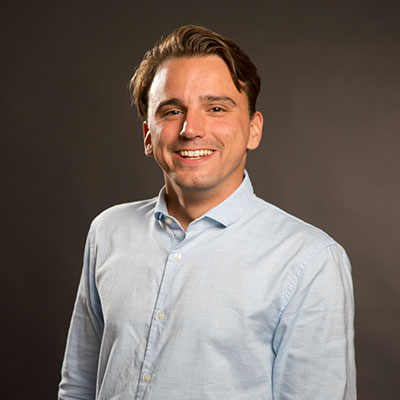
Willem Stevens was born in 1991.
Als Trader im Einkauf durchläuft Willem Stevens derzeit einen Einführungskurs bei Oryx Stainless B. V.
Willem besuchte die Rotterdam Business School, wo er mit einem Bachelor in Wirtschaft und Handel abschloss. Seine Abschlussarbeit über Kundenbindung schrieb er bei einem Unternehmen aus der Petrochemie-Industrie.
Seit seinem 14. Lebensjahr arbeitete Stevens bereits in zahlreichen Teilzeitpositionen, so auch während des Studiums.
Zum Oryx Team gehört er seit 2018.




 |
Deutsch |
|
Englisch |
 |
Italienisch |
 |
Spanisch |
Prokurist / Senior Purchase Manager



Mit dem Laden des Videos akzeptieren Sie die Datenschutzerklärung von YouTube.
Mehr erfahren
|
Niederländisch |
|
Deutsch |
|
Englisch |
 |
Griechisch |
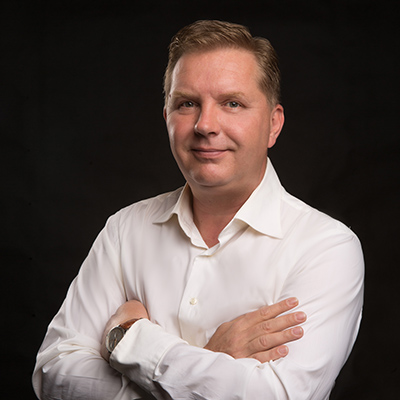
Stephan wurde 1970 geboren.
Als leitender Angestellter und Senior Trader ist Stephan für den Einkauf von legiertem Schrott im In- und Ausland verantwortlich.
Er begann seine Karriere im Einkauf in der Logistik und im Handel. Stephan kam 1999 zu Capricorn, der späteren Oryx.
Stephan hat eine Leidenschaft für...


|
Niederländisch |
|
Deutsch |
|
Englisch |
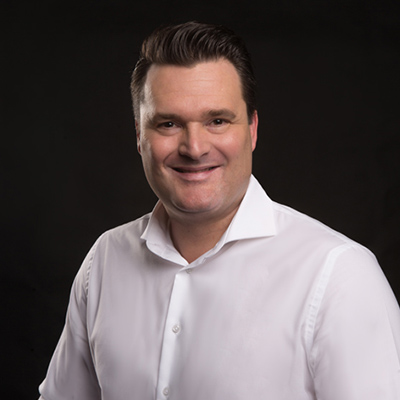
Marthijn wurde 1971 geboren.
Als Direktor von Oryx Stainless (Thailand) Co., Ltd. ist Marthijn verantwortlich für das Geschäft der Oryx Stainless Group in Südost Asien.
Marthijn hat einen MBA (cum laude) von der Business School Nederland. Bevor er 2014 zu Oryx kam, war Marthijn ein Offizier in der niederländischen Armee und stellvertretender Direktor für eine führende internationale Risikoberatung.
Marthijn hat eine Leidenschaft für...


|
Niederländisch |
|
Deutsch |
|
Englisch |
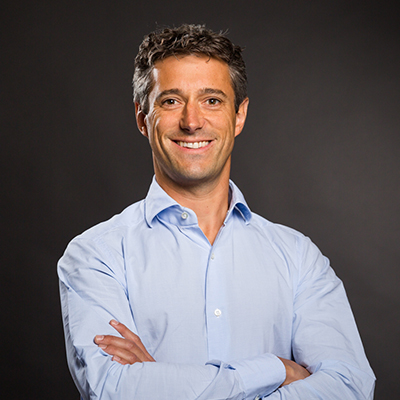
Marthijn wurde 1971 geboren.
Als Direktor von Oryx Stainless (Thailand) Co., Ltd. ist Marthijn verantwortlich für das Geschäft der Oryx Stainless Group in Südost Asien.
Marthijn hat einen MBA (cum laude) von der Business School Nederland. Bevor er 2014 zu Oryx kam, war Marthijn ein Offizier in der niederländischen Armee und stellvertretender Direktor für eine führende internationale Risikoberatung.
Marthijn hat eine Leidenschaft für...
|
Niederländisch |
|
Englisch |
|
Deutsch |
 |
Französisch |

|
Deutsch |
|
Englisch |


|
Deutsch |
|
Englisch |

|
Niederländisch |
|
Englisch |
|
Deutsch |

|
Niederländisch |
|
Englisch |
|
Deutsch |

|
Niederländisch |
|
Englisch |
Willem Stevens was born in 1991.
Als Trader im Einkauf durchläuft Willem Stevens derzeit einen Einführungskurs bei Oryx Stainless B. V.
Willem besuchte die Rotterdam Business School, wo er mit einem Bachelor in Wirtschaft und Handel abschloss. Seine Abschlussarbeit über Kundenbindung schrieb er bei einem Unternehmen aus der Petrochemie-Industrie.
Seit seinem 14. Lebensjahr arbeitete Stevens bereits in zahlreichen Teilzeitpositionen, so auch während des Studiums.
Zum Oryx Team gehört er seit 2018.
|
Niederländisch |
|
Englisch |
|
Deutsch |
|
Französisch |


|
Niederländisch |
|
Englisch |

|
Spanisch |
|
Englisch |
 |
Portugiesisch |
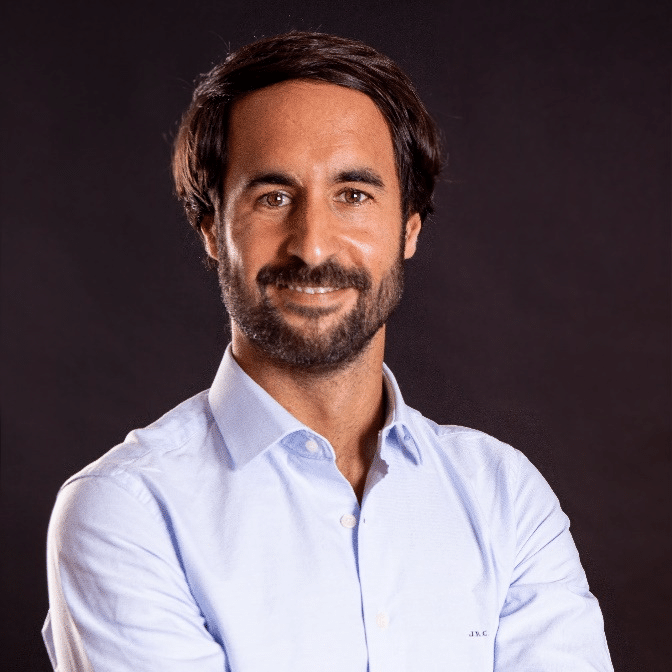
Managing Director
Jorge Rodríguez ist 1985 geboren.
Er ist verantwortlich für das Geschäft in Spanien und für den Einkauf von legiertem Schrott in Südeuropa und Südamerika.
Jorge besuchte die ESERP Business & Law School und die Rey Juan Carlos Universität, wo er Abschlüsse in Betriebswirtschaftslehre und strategischer Planung machte. Er kam 2012 zu Oryx und arbeitete die ersten 4 Jahre in unserem Hauptsitz in Dordrecht.
Jorge hat eine Leidenschaft für...
